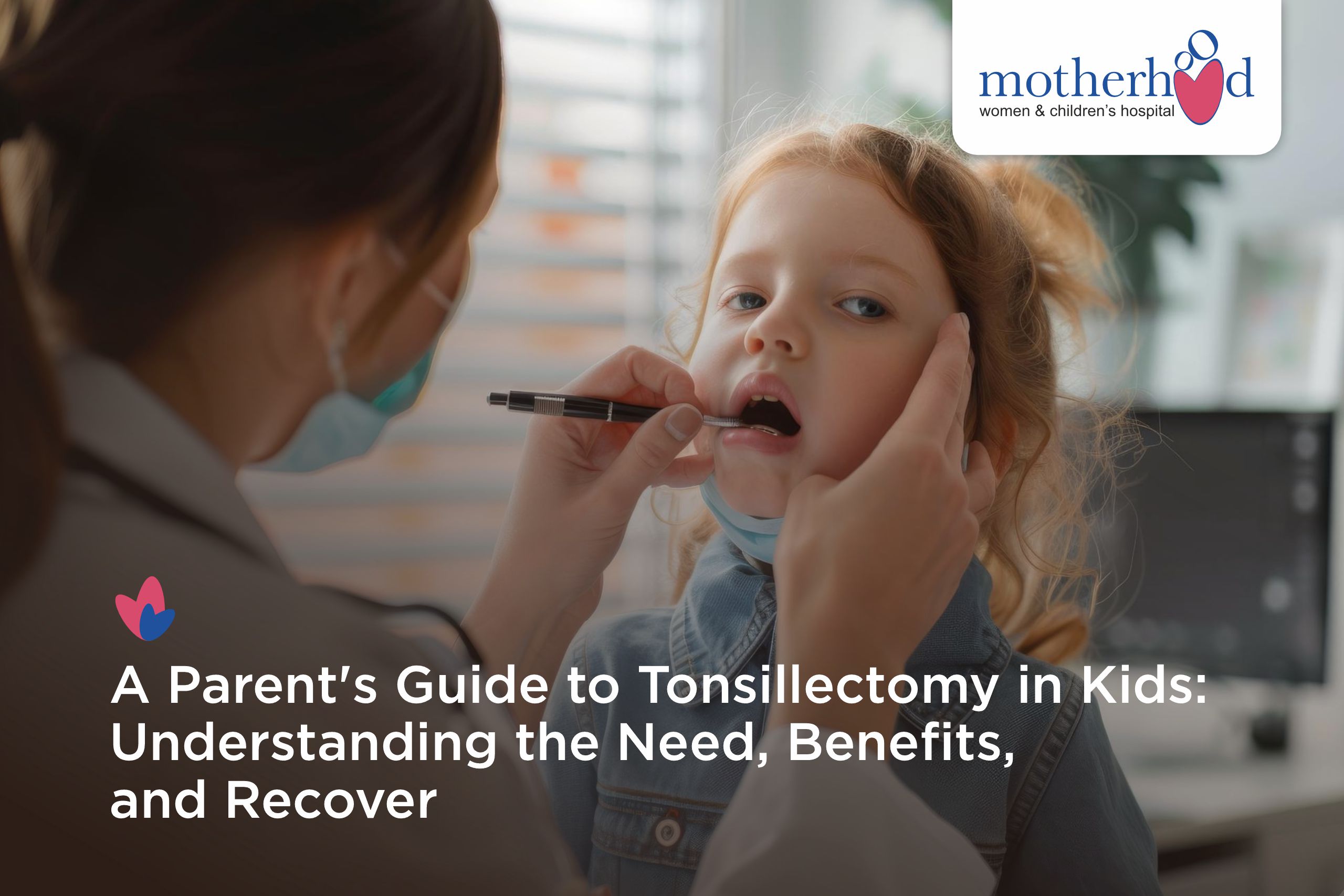
A Parent’s Guide to Tonsillectomy in Kids: Understanding the Need, Benefits, and Recovery

A Parent’s Guide to Tonsillectomy in Kids: Understanding the Need, Benefits, and Recovery

Medically Reviewed By
Dr. Neeraj Kumar
Chief Consultant – Paediatrician & Neonatologist, Motherhood Chaitanya Hospital

Introduction:

Learning that your child requires surgery can be an incredibly daunting experience. As a parent, you probably find yourself filled with questions and worries. A tonsillectomy, which involves taking out the tonsils, is a procedure that many children undergo, but that doesn’t mean it isn’t a bit scary for children and their families.

This guide is designed to gently guide you through the process with clear information. Let’s take a look at why a tonsillectomy might be suggested, what the recovery process will be like, and how you can support your child in healing comfortably.

Knowing the "Why": Why Is a Tonsillectomy Necessary for My Child?

To begin with, let’s discuss what tonsils actually are. Imagine them as two tiny, oval-shaped cushions of tissue located right at the back of your throat—one on either side. They play a crucial role in our immune system, serving as “gatekeepers” that help catch germs entering through the mouth and nose.

At times, the tonsils can lead to more issues than they actually help with. A doctor, usually an Ear, Nose, and Throat (ENT) specialist, might suggest removing them for two main reasons:

  1. Obstructive Sleep Apnea (OSA) is currently the leading cause for tonsillectomies. When tonsils get bigger, they can partially obstruct the airway while your child is sleeping. This can lead to loud snoring, gasping or short pauses in breathing (apnea), leading to restless nights and feeling tired during the day. Poor sleep quality can impact your child’s mood, behaviour and their focus in school.
  2. Recurrent or Chronic Tonsillitis: This describes the experience of having frequent and intense bacterial infections affecting the tonsils. If your child gets frequent tonsillitis, like having 5 or more episodes in a year that need antibiotics, removing the source of the infection can really help them feel better and cut down on missed school days.

Considering the Choices: The Advantages and Issues

Choosing to undergo surgery is an important decision, and it’s essential to consider all aspects thoughtfully. A tonsillectomy is a very common and safe procedure, and it can bring about significant positive changes in a child’s daily life

  • Restful, Healthy Sleep: Children with OSA often experience a remarkable improvement. Getting good sleep can really boost their energy, sharpen their focus, and lift their mood.
  • Fewer infections: Your child will experience lesser infections, leading to less discomfort from tonsillitis, fewer sore throats, and a drop in doctor visits and antibiotic treatments.
  • Improved Breathing and Swallowing: Kids with larger tonsils might experience more comfortable breathing and find it easier to swallow their food.

While every surgical procedure carries some risks, it’s reassuring to understand that complications from a tonsillectomy are quite uncommon. Your medical team will ensure that every precaution is taken. There are some possible risks to consider:

One of the most noticeable side effects is a really sore throat. This is something we can anticipate and handle with a proper pain relief strategy in place. A sore throat can make it tough to stay hydrated. Your care team will emphasize how important it is to encourage fluid intake to avoid dehydration in the child.

There is a small risk of bleeding from the surgical site during the healing process. Your doctor will give you clear instructions on what to watch for and when to seek immediate medical attention.

The pediatric anesthesiology team is dedicated to ensuring that your child feels safe and comfortable during surgery. They will take the time to talk with you about any specific concerns you may have before the procedure.

Your Part in Healing: A Parents' Guide for a Smooth Recovery Journey

The recovery period can takes about 10 to 14 days. Creating a calm atmosphere and providing steady support at home are essential for your child’s ease during this time.

The Initial Days (Days 1-4)

Keep Pain at Bay: This is the key piece of advice. Administer the pain medication as your doctor has instructed, sticking to a consistent schedule—even if it requires waking your child during the night. Letting the pain escalate can really complicate things when it comes to managing it.

Stay Hydrated: Drinking enough fluids is essential for their recovery. Make sure to provide refreshing drinks often. Water, diluted juice, and electrolyte drinks are wonderful choices.

Opt for Soft Foods: Provide them with a diet that includes soft, easy-to-swallow options. Imagine the creamy goodness of yogurt, the delightful chill of ice cream, the smooth texture of pudding, the refreshing blend of smoothies, the comforting warmth of mashed potatoes, and the fluffy softness of scrambled eggs. Steer clear of anything that’s hot, spicy, acidic, or crunchy, such as toast or crisps, as these can upset your throat.

Week Two (Days 5-10)

During the Scab Phase, it’s completely normal for your child’s pain to feel a bit more intense between days 5 and 7, so try not to worry. This is usually when the protective scabs in the throat start shedding- a normal part of healing. Keep giving them pain medication and stick to a soft diet.

Your little one needs time to relax at home and must avoid any strenous activities for around 2 weeks- no running, jumping, or playing sports. Low energy activities such as reading, drawing and enjoying movies is recommended. Typically, children can go back to school or daycare after about 10-14 days, as long as they are eating and drinking normally and don’t require regular pain medication anymore.

When to Reach Out to Your Doctor

Believe in your gut feeling. If you notice any of the following, please reach out to your surgeon’s office right away:

    • Look for any signs of bright red blood in your child’s mouth or saliva.
    • A fever that exceeds 38.5°C (101.5°F).
    • Look out for signs of dehydration, like not urinating for over 8 hours, crying without tears, or feeling extremely tired.
    • Discomfort that isn’t managed by medication given.

A tonsillectomy may feel like a big choice, but for children struggling with sleep apnea or recurring infections, it’s a safe and effective solution that can really improve their overall health and happiness. The two-week recovery period requires some patience, but keep in mind that it’s only a temporary phase. Working together with your medical team and providing loving, supportive care at home can help your child move through their healing journey more comfortably. Before long, you’ll find yourself reflecting on the journey with a sense of relief, watching your child flourish and radiate happiness.

FAQs:

Why might my child need a tonsillectomy?

A tonsillectomy is usually recommended for children who have obstructive sleep apnea (OSA) caused by enlarged tonsils or who suffer from recurrent tonsillitis (frequent throat infections).

Is a tonsillectomy a safe surgery for kids?

Yes. A tonsillectomy is a common and safe procedure, performed by ENT specialists with the support of pediatric anesthesiologists. Complications are rare, and your medical team will take every precaution to ensure safety.

How long does it take for a child to recover from a tonsillectomy?

The recovery period typically takes 10 to 14 days. Most children can return to school or daycare after about two weeks, depending on how they are eating, drinking, and feeling.

What should my child eat after a tonsillectomy?

Your child should stick to soft, easy-to-swallow foods like yogurt, ice cream, pudding, smoothies, mashed potatoes, and scrambled eggs. Avoid hot, spicy, acidic, or crunchy foods that may irritate the throat.

How can I help manage my child’s pain after surgery?

Give pain medication as prescribed, on a consistent schedule, even at night if needed. Keeping pain under control helps with eating, drinking, and healing.

What are the most common side effects after a tonsillectomy?

A sore throat, mild ear pain, and low energy are common. Temporary bad breath is also normal during recovery. Your doctor will guide you on managing these symptoms.

When should I contact the doctor after my child’s tonsillectomy?

Call your doctor immediately if you notice bright red blood in the saliva, a fever over 38.5°C (101.5°F), signs of dehydration, or pain not relieved by medication.

Can my child drink normally after surgery?

Yes. Staying hydrated is critical for healing. Offer water, diluted juice, or electrolyte drinks frequently. Avoid citrus juices and carbonated drinks, as they may sting the throat.

What activities should my child avoid during recovery?

Your child should avoid running, jumping, sports, and other strenuous activities for about two weeks. Quiet activities like reading, drawing, or watching movies are best during healing.

What are the long-term benefits of a tonsillectomy?

Children often experience better sleep, fewer throat infections, improved breathing, and better overall well-being after surgery. Many parents notice improvements in mood, focus, and energy levels.

Leave a Reply

Your email address will not be published.

Book An Appointment

WhatsApp

Call Us